

Service Hotline
+86 531 88755585

Technical principle
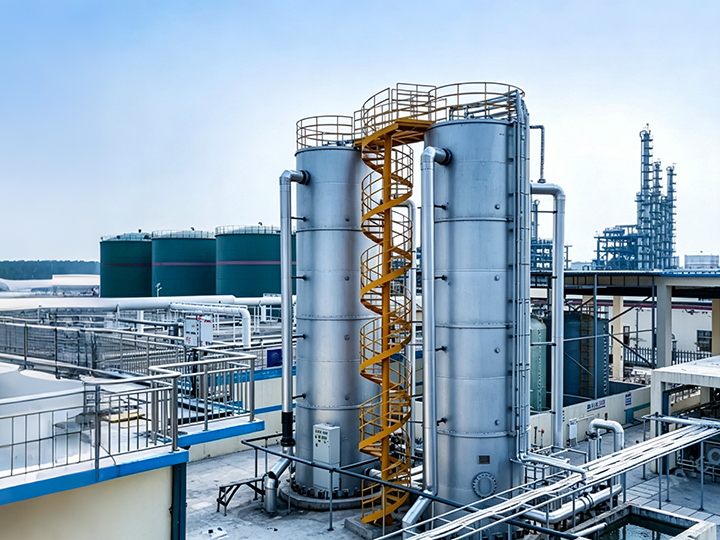
Fenton fluidized bed process is an advanced oxidation technology based on heterogeneous catalysis. The core principle is that under acidic conditions, the use of hydrogen peroxide and ferrous ion reaction to produce a strong oxidation of hydroxyl radicals, efficient degradation of refractory organic matter in water. Different from the traditional homogeneous Fenton, the process uses a fluidized bed reactor to crystallize iron ions on the surface of the carrier to form a catalytic active layer, which realizes the recycling of the catalyst and greatly reduces the loss of iron ions.
Process characteristics
Sludge reduction: Through carrier crystallization technology, most of the iron ions are attached to the surface of the carrier in the form of crystals, reducing the yield of iron mud and significantly reducing the cost of hazardous waste disposal.
Lower operating costs: reduce the consumption of acid-base regulating agents and ferrous sulfate agents.
Excellent treatment efficiency: the fluidized state strengthens the mass transfer efficiency, strong impact load resistance, and can be stably realized.CODDepth removal, better water quality.
Technical principle
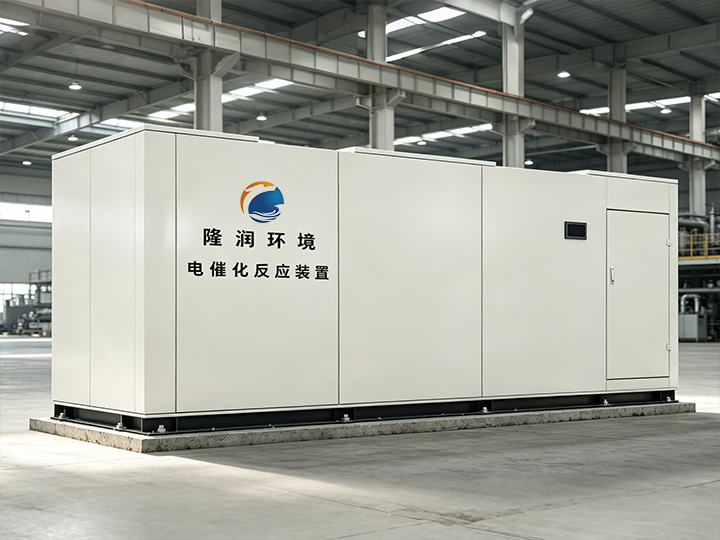
Electrocatalytic oxidation technology is an advanced oxidation process based on electrode reaction. The core principle is to use a special anode under the action of an electric field (suchDSAelectrodes) directly oxidize pollutants, or catalyze water molecules/Dissolved oxygen produces hydroxyl radicals (·OH), active chlorine and other strong oxidants, the organic matter is not selectively mineralized into carbon dioxide and water.
Process characteristics
Environmentally friendly: mild reaction conditions, no need to add a large number of chemicals, no secondary pollution, is a clean treatment technology.
High degree of automation: electronic reagents, through the current and voltage precise control of the reaction process, compact equipment, easy operation and management.
Strong oxidation efficiency: the hydroxyl radical oxidation potential is extremely high, which can effectively degrade persistent organic pollutants that are difficult to deal with by traditional biochemical methods.
Technical principle
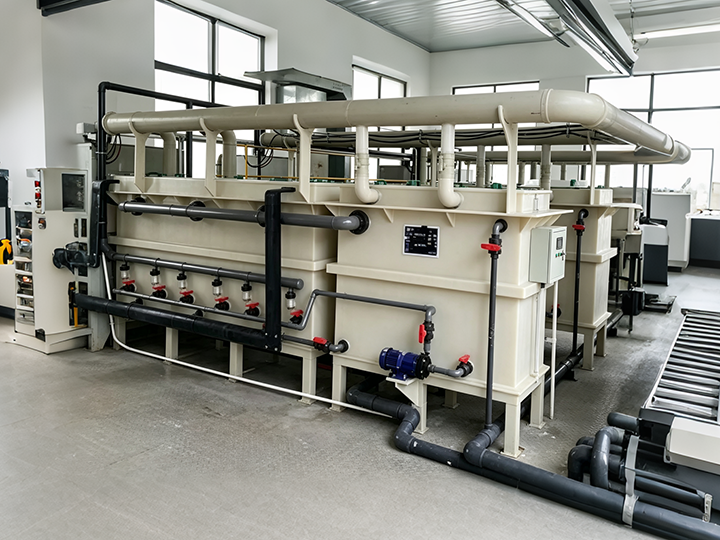
DC electrolysis technology uses DC electric field to drive electrochemical reaction to purify sewage. The core principle is that wastewater is used as an electrolyte, and pollutants undergo direct oxidation-reduction reactions at the yin and yang poles; at the same time, electrode products cause secondary reactions such as indirect oxidation, electrocoagulation and electroflotation to achieve pollutant degradation, precipitation and separation.
Process characteristics
Flexible and controllable operation: normal temperature and pressure operation, no need to add a large number of chemicals. The current density or tank voltage can be adjusted in real time to accurately respond to the fluctuation of influent water quality, which is easy to automate management.
The equipment is compact and occupies a small area: the electrolytic cell has a simple structure and strong adaptability to the influent water quality, and can be used as an independent unit or coupled with biochemical processes.
Technical principle
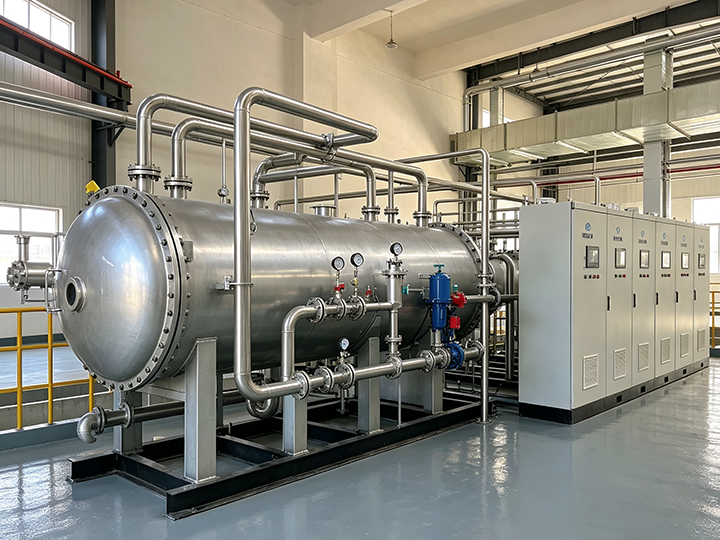
Ozone catalytic oxidation is a high-efficiency advanced oxidation technology. The principle is based on dual-path oxidation: ozone molecules directly attack the unsaturated groups of organic matter, and at the same time, the surface polarization decomposition of heterogeneous catalysts (supported metal oxides) generates oxidation potential.2.8VThe hydroxyl radicals, without selectivity, mineralize refractory organic matterCO₂、H₂OThe catalyst enriches pollutants and ozone through interfacial adsorption, and the transition metal active site cycle regeneration realizes continuous catalysis.
Process characteristics
Strong oxidation efficiency: ozone utilization rate is higher than the traditional process20%~40%,CODThe removal rate can reach50%~80%It can completely mineralize persistent organic matter, and can also crack macromolecules to improve the biodegradability of wastewater.
Green environmental protection: no need to add additional chemicals, no hazardous waste sludge, no secondary pollution.
Strong adaptability:pHScope of application6~9It has good tolerance to high salt and high toxicity wastewater and can be flexibly used as biochemical pretreatment or deep standard raising unit.
Low operating cost: the catalyst has high strength, long life and can be recycled.
Technical principle
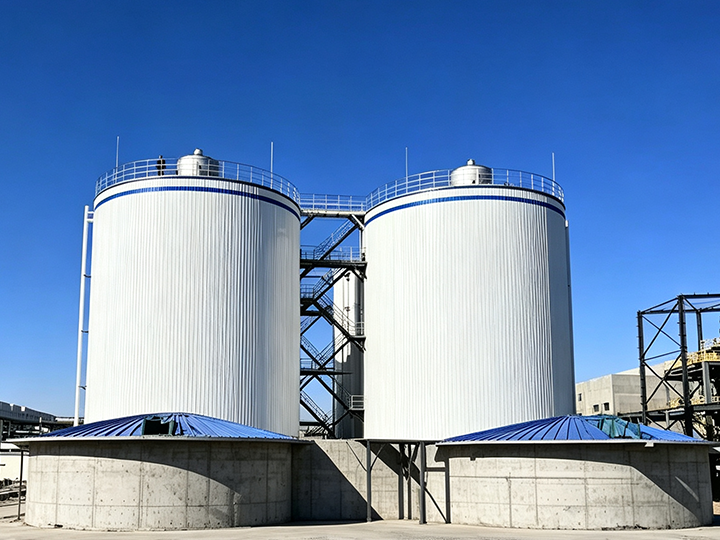
UASB(upflow anaerobic sludge bed) is a highly efficient anaerobic biological treatment process. Wastewater enters from the bottom evenly distributed water, flows through the high concentration granular sludge bed from bottom to top, and anaerobic microorganisms degrade organic matter into biogas (main componentsCH₄andCO₂); the generated biogas causes internal circulation to promote the formation and maintenance of granular sludge; the mixed liquor rises to the top three-phase separator to achieve gas, liquid and solid separation.,The biogas is exported and collected, the sludge settles back to the reaction zone, and the treated water is discharged from the sedimentation zone.
Process characteristics
Water distribution evenly, no clogging:The water distribution method adopts the bottom branch forced cyclone water distribution, pump pressure water, so that the whole reactor bottom water distribution uniform while avoiding blockage, to overcome the top of the natural gravity water distribution caused by the gas blockage and bottom sludge layer blockage problems.
High impact load, fast sludge granulation process: supporting the water reflux design, stable reactor water quality and treatment load.
Modular components, simple installation, short cycle:The anaerobic reactor water distribution system and the three-phase separator are all modular complete sets of equipment, which only need simple assembly on site, simple installation and short cycle.
Technical principle
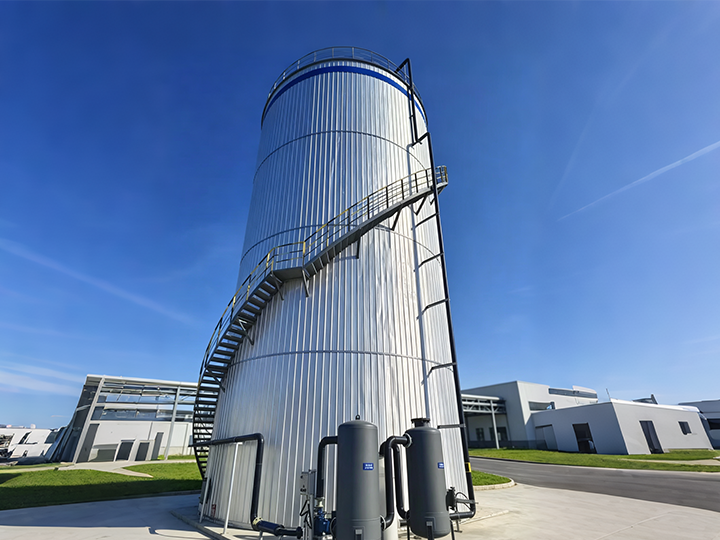
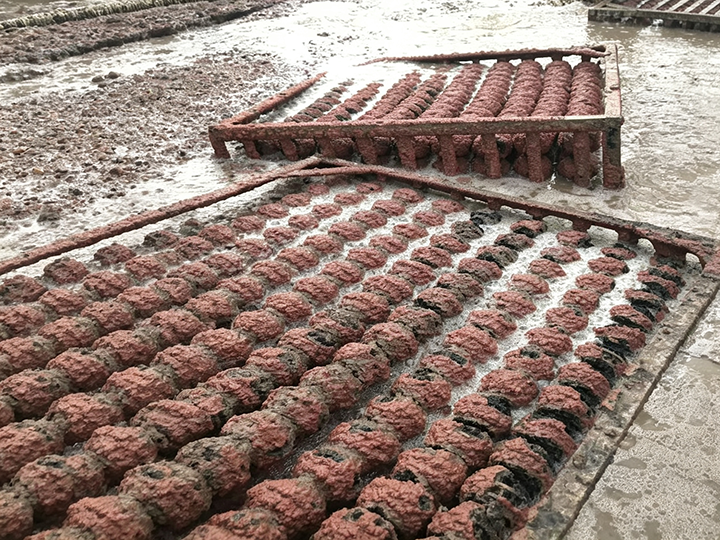
IC(internal circulation) anaerobic reactor was developed by the NetherlandsEASTERThe third-generation high-efficiency anaerobic reactor developed by the company is equivalent to twoUASBThe reactors are connected in series, one above the other. After entering the bottom mixing zone, the wastewater is fully mixed with the internal circulating backflow sludge, and the granular sludge in the first anaerobic zone degrades most organic matters and produces a large amount of biogas. The gas stripping action of biogas lifts the sludge-water mixture to the top gas-liquid separator. After the biogas is exported, the sludge water returns to the bottom along the return pipe to form an automatic internal circulation without external power, and the circulation amount can reach the water intake amount.Dozenstimes;The remaining wastewater enters the second anaerobic zone for fine treatment and is finally discharged after solid-liquid separation in the sedimentation zone.
Process characteristics
High volumetric loading rate and strong shock resistance.:ICThe internal circulation flow can reach the inflow rate.10~20The liquid rising flow rate is increased compared to the traditional reactor.8~20The mass transfer process between organic matter and granular sludge is enhanced, and the influent concentration is diluted to ensure the stability of the reactor.
Water distribution evenly, not easy to block:Multi-branch pipes are used for water inflow outside the tank, and water distribution is swirled inside. After strict calculation, the flow rate of each branch pipe can be adjusted to ensure that the water inflow per unit area of the tank section is basically the same, which has a great stirring effect on granular sludge.
Stable operation, good effluent water quality.:ICThe anaerobic reactor is equipped with a perfect monitoring system, which can control the water intake, circulation, water temperature andpHThe monitoring can ensure the efficient and stable operation of the system and avoid the impact of the reactor due to fluctuations in water quality.
Technical principle
Anaerobic Ammonium Oxidation (Anammox) is under anaerobic conditions, by obligate anaerobic autotrophic bacteria (AnAOB) catalysis, with ammonia as electron donor and nitrite as electron acceptor, direct oxidation of ammonia nitrogen to nitrogen (N₂) of the biological denitrification process, without the addition of organic carbon source, with bicarbonate as the inorganic carbon source. Engineering often coupled with short-cut nitrificationPN/Aprocess, first by ammonia oxidizing bacteria will be approximately55%The ammonia nitrogen is converted to nitrite, which is then convertedAnAOBThe anaerobic conversion of residual ammonia nitrogen and nitrite is completed, and the total reaction is simplified:NH₄⁺NO₂⁻→→N₂2H₂O。
Process characteristics
No external carbon source requiredAnaerobic ammonium oxidizing bacteria are chemo-autotrophic microorganisms, using bicarbonate as carbon source, and the denitrification process does not require the addition of organic carbon sources such as methanol and sodium acetate.
High denitrification load: denitrification volume load up0.4~0.8 kgN/(m³·d)It is a traditional process.2~4Times, floor space savings30%Above。
Sludge production is extremely low: the specific growth rate of ANAMMOX bacteria is extremely low, and the doubling time is about11Days, proliferation is extremely slow. The excess sludge yield is only the traditional nitrification and denitrification process.10%The cost and workload of sludge dewatering, transportation and disposal are greatly reduced.
Green low carbon: compared with the traditional nitrification and denitrification process, anaerobic ammonia oxidation can be greatly reducedCO₂Emissions, mainly due to the reduction of aeration power consumption and the reduction of external carbon source consumption, are the key technical paths to achieve carbon neutrality in sewage treatment plants.
Technical principle
shortcut nitrification and denitrification (Shortcut Nitrification-Denitrification) is to control the traditional nitrification process in the nitrite stage, so that ammonia nitrogen is only oxidized to nitrite (NO₂⁻) without further oxidation to nitrate (nitrate ion), followed by direct denitrification with nitrite as electron acceptorN₂biological nitrogen removal process. Its core mechanism is through the control of dissolved oxygen (DO 0.5~1.5mg/L), temperature (25~35℃)、pH(7.5~8.5) or free ammonia(FA) concentration and other conditions, selectively inhibit nitrite-oxidizing bacteria (NOB)activity, while maintaining ammonia-oxidizing bacteria (AOB) Normal metabolism, achieveNO₂⁻-NStable accumulation (accumulation rate>90%)。
Process characteristics
Energy saving and consumption reduction: Ammonia nitrogen is oxidized only to the nitrite stage, reducing aeration requirements by approximately compared to conventional nitrification–denitrification.25%, significantly reducing power consumption.
Saves carbon source: Denitrification directly usesNO₂⁻As an electron acceptor, the required carbon source is reduced by approximately compared to conventional processes.40%, it exhibits significant advantages for low carbon-to-nitrogen ratio wastewater.
Reduced sludge production: The overall reaction pathway is shortened, microbial synthesis is reduced, and the yield of excess sludge is decreased by approximately.30%~35%。
Low alkalinity consumption: During the nitrification phase, it consumes only about that of conventional processes.50%The alkalinity is adjusted, reducing the cost of externally added alkaline agents.
Small footprint: The reactor volume is reduced compared to conventional processes.20%~30%, suitable for upgrading projects and projects with land-use constraints.
Technical principle
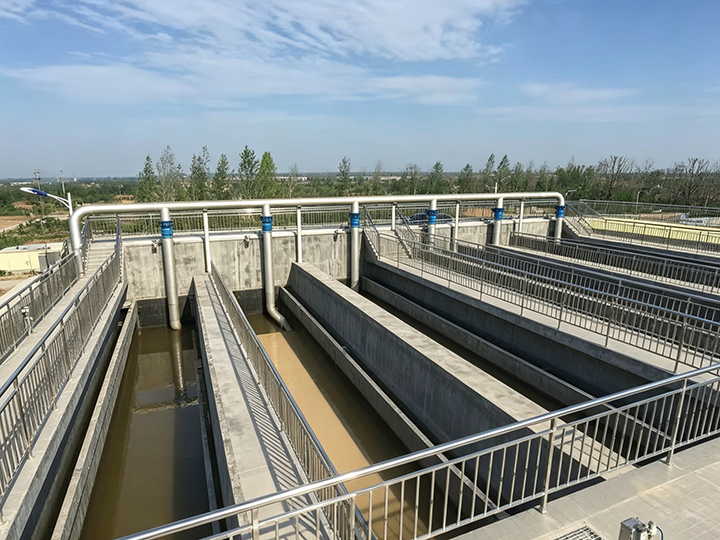
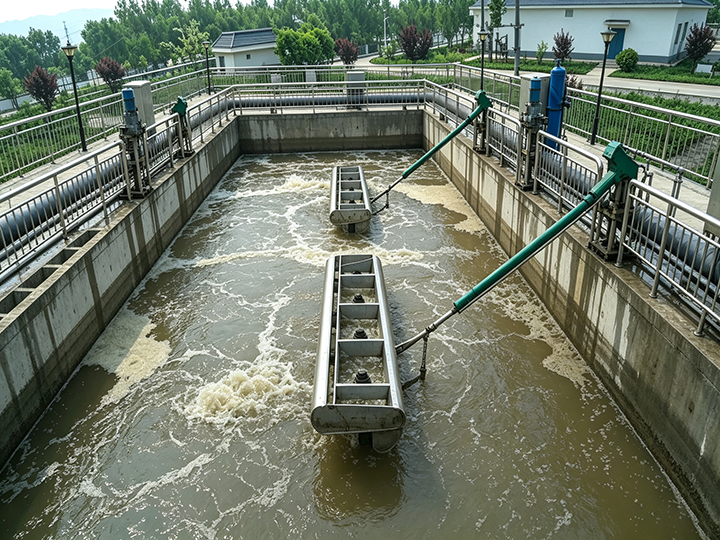
SBR(Sequencing Batch Reactor,Sequencing Batch ReactorIt is an intermittently operated activated-sludge process in which five stages—feeding, reaction (aeration), sedimentation, decanting, and idle—are sequentially carried out in a single reactor over time. By substituting temporal sequencing for the spatial separation used in conventional processes, it achieves functions such as organic matter degradation, denitrification, and phosphorus removal. The reaction phase can be flexibly configured as aerobic, anoxic, or anaerobic according to water quality requirements, and wastewater treatment is completed through cyclic operation.
Process characteristics
The process flow is simple: no secondary sedimentation tank or sludge return system is required, resulting in fewer structures, lower capital investment, and a smaller footprint compared to conventional processes.20%~30%。
Flexible operation: The duration of each stage, aeration rate, and influent mode can all be adjusted as needed, enabling the system to adapt to fluctuations in water quality and flow while facilitating multi-objective treatment, such as nitrogen and phosphorus removal.
Good sedimentation performance: During the sedimentation phase, the process is quiescent, free from hydraulic disturbance, resulting in high sludge settling efficiency and low suspended solids concentration in the effluent.
Strong resistance to shock loads: The influent is fed intermittently, and the mixed liquor in the tank exhibits excellent buffering capacity against fluctuations in water quality and flow rate, resulting in stable operation.
Sludge exhibits excellent settling performance: under intermittent operating conditions, the sludge retention time is relatively long, making it difficult for filamentous bacteria to proliferate excessively, and the sludge volume index (SVI) is lower, making sludge bulking less likely to occur.
Technical principle
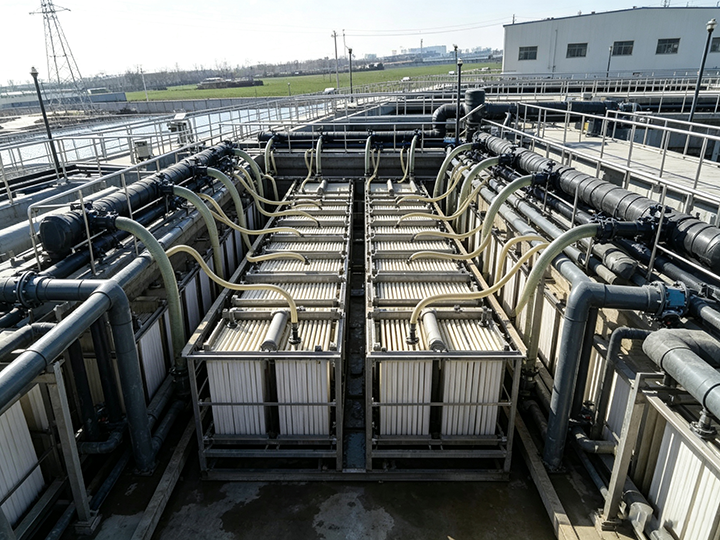
MBR(membrane bioreactor,Membrane BioreactorIt is a highly efficient wastewater treatment process that combines membrane separation technology with biological treatment, using microfiltration or ultrafiltration membrane modules to replace the secondary sedimentation tank in conventional activated sludge processes, thereby achieving efficient solid–liquid separation. The activated sludge in the mixed liquor is retained by the membrane within the bioreactor, maintaining a high sludge concentration. Based on the arrangement of the membrane modules, there are two configurations: submerged (where the membrane modules are immersed in the bioreactor and permeate is drawn off under negative pressure) and external (where the mixed liquor is pumped under pressure and circulated through the membrane modules). In practice, the submerged configuration is more widely used.
Process characteristics
Superior effluent quality: The membrane’s retention precision is far superior to that of the secondary clarifier, resulting in high-quality effluent.SS extremely low, turbiddegree1NTU, Bacterial and viral removal rate>99%, it can be directly reused or used as the influent for advanced treatment.
High volumetric loading: The high sludge concentration enables the volumetric loading to reach that of conventional processes.2~3Multiple, tank volume reduced30%~50%, significantly reduces the required land area.
Long sludge age:SRTCan be controlled within15~30Over time, nitrifying bacteria with long generation cycles become enriched, resulting in a high ammonia nitrogen removal rate; the production of excess sludge is reduced by approximately compared to conventional processes.30%~40%。
Strong shock resistance: highMLSSIt provides ample biomass buffering and exhibits strong adaptability to fluctuations in water quality and quantity.
Technical principle
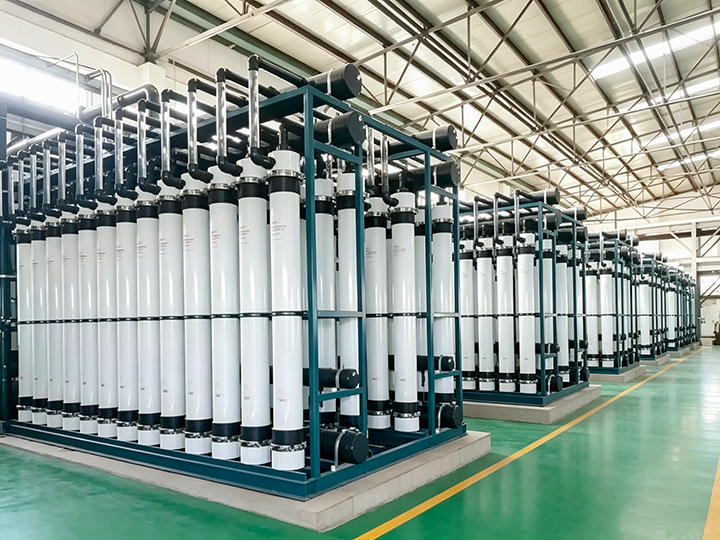
UF(Ultrafiltration,Ultrafiltration) is a membrane separation technology driven by a pressure difference, employing pores with a specific aperture.0.01~0.1 μmthe semi-permeable membrane component, in0.1~0.5MPaUnder operating pressure, wastewater is screened and retained, effectively removing suspended solids, colloids, macromolecular organic matter, bacteria, and viruses from the water, while water molecules, dissolved salts, and small-molecule substances pass through the membrane pores to become permeate. Based on the membrane module configuration, they are classified into hollow-fiber, plate-and-frame, and tubular types, with hollow-fiber modules being the most widely used in engineering applications; based on the operating mode, they are divided into dead-end filtration (full-flow filtration) and cross-flow filtration.Cross-flow), Cross-flow filtration in advanced wastewater treatment can effectively mitigate membrane fouling.
Process characteristics
Stable effluent water quality: high interception accuracy, with effluent turbidity <0.2NTU,SDI<3, Bacterial removal rate>99%The effluent quality significantly exceeds that of conventional sand filtration and can be directly used as reverse osmosis feedwater or meet reuse standards.
Physical separation process: It relies entirely on a physical sieving mechanism. No chemical additives are required during the filtration stage, the chemical composition of the water remains unchanged, no by-products are generated, and the operation is environmentally friendly.
High degree of automation: The operating cycle can be fully automated, including filtration, backwashing, and chemical-enhanced backwashing.CEB) and chemical cleaning (CIP) and other processes switch automatically, with minimal manual intervention.
Small footprint: The membrane modules are highly integrated, resulting in a compact system compared to conventional sedimentation.+Filtration processes save space.50%~70%, suitable for upgrading projects and projects with land-use constraints.
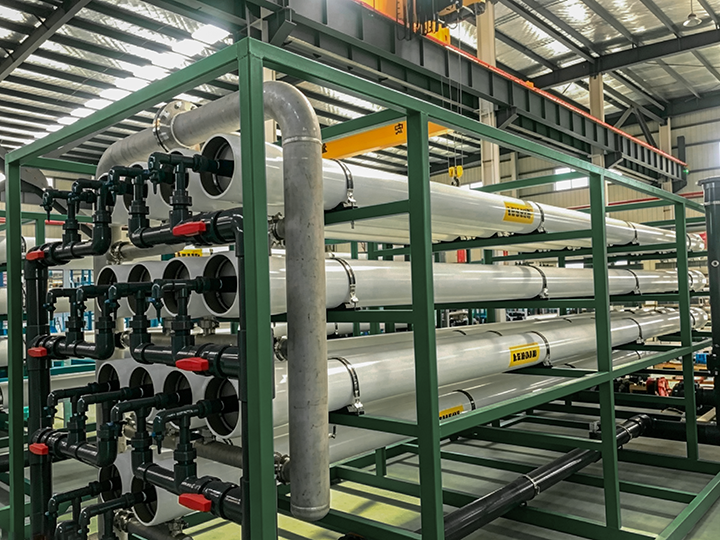
Technical principle
RO(Reverse osmosis,Reverse Osmosis) is a precision membrane separation technology driven by a pressure difference, employing a dense, non-porous semi-permeable membrane (with an equivalent retention cutoff of approximately0.1nm), based on dissolution-Separation is achieved through diffusion mechanisms under an operating pressure higher than the solution’s osmotic pressure (for municipal wastewater reuse).1.0~2.5MPa,brackish water1.0~3.0MPa,seawater5.5~8.0MPa) under which water molecules pass through the membrane against their concentration gradient, while dissolved salts (Na⁺、Cl⁻、Ca²⁺etc.), organic compounds (molecular weight>100DaHeavy metal ions, microorganisms, pyrogens, and other contaminants are efficiently retained. The membrane material is a polyamide thin-film composite membrane.TFC) is the mainstream, with a desalination rate>98%Structurally, they are classified into spiral-wound, hollow-fiber, and tubular types, with spiral-wound membrane modules being the most widely used in advanced wastewater treatment and reclaimed water reuse.
Process characteristics
Extremely high desalination accuracy: rejection rate for monovalent ions>95%,multivalent ions>99%,TOCRemoval rate>95%The quality of the produced water is close to pure water, which can meet the requirements of industrial high-purity water, boiler make-up water and high-quality reclaimed water.
Broad spectrum of pollutant removal: can efficiently remove heavy metals (Pb、Cr、As, etc.), trace organic pollutants (drug residues, endocrine disruptors), pathogenic microorganisms, etc., high water safety.
The system recovery rate is limited: the recovery rate of sewage reuse scenarios is general.50%~85%, generate15%~50%Concentrated liquid needs further treatment (evaporation crystallization, advanced oxidation, etc.), concentrated water treatment is the difficulty of the project.
Strict pretreatment requirements: water must be controlledSDI<5Residual chlorine <0.1mg/L, need to be matched with multi-media filtration,UFPretreatment processes such as ultrafiltration and dosing reduction to prevent membrane oxidation degradation and fouling.
Technical principle
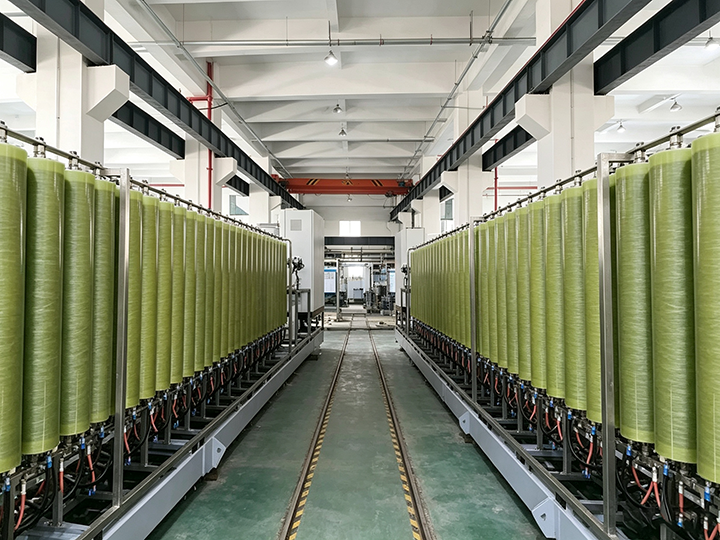
DTRO(Disc tube reverse osmosis) is a special membrane separation technology designed for high salt and high pollution wastewater. The core component is a disc tube membrane column, which is composed of polyamide composite diaphragm, hydraulic diversion plate,OThe assembly of the type seal ring, the center pull rod and the pressure sleeve. The working principle is in70~120barUnder high pressure, the influent flows in a spiral shape along the surface of the diversion plate, and water molecules selectively pass through the membrane into the central collecting pipe, and soluble salts, macromolecular organic matter, heavy metals, etc. are intercepted to form concentrated liquid and discharged. Different from traditional roll typeRO,DTROAdopt“Wide runner+Short process+turbulent scouring”The hydraulic design, the surface bump of the guide plate makes the water flow form high-speed turbulence, effectively weakens the concentration polarization, and avoids the deposition of pollutants on the film surface.
Process characteristics
Outstanding anti-pollution performance: high water tolerance, can handle turbidity≤4、SDI ≤ 20The highly polluted wastewater requires only simple sand filtration and fine filtration pretreatment, without complex front.process.
Stable separation effect: high retention rate for macromolecules COD and heavy metals, stable separation of pollutants can be achieved under appropriate working conditions, and the quality of produced water is less affected by influent biodegradability and salt fluctuation, which can meet the discharge or reuse requirements.
Flexible operation and maintenance and low cost: diaphragm can be replaced separately, without the need to replace the whole membrane column, maintenance cost is reduced by more than 30% compared with traditional RO;Adjust the series and parallel configuration according to the water quality and quantity.
Good concentration and reduction effect: single-stage system recovery rate75%~85%, two-stage series up90%above, high-salt wastewater can be concentratedTDS>100g/L, significantly reduce the amount of subsequent evaporation crystallization treatment.
Mainly used in landfill leachate, coal chemical wastewater, desulfurization wastewater, mine water and other difficult wastewater treatment scenarios.
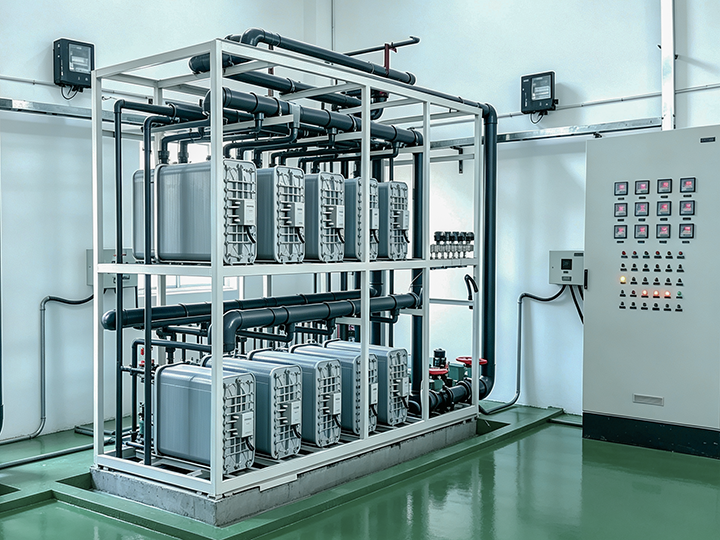
Technical principle
EDI(Electrodeionization) is a deep desalination technology that combines electrodialysis with ion exchange. The core is a plate-frame laminated membrane stack, which consists of alternately arranged anions./Cation exchange membrane, fresh water chamber filled with mixed resin, concentrated water chamber and electrode. Driven by the DC electric field, the water ions are adsorbed by the resin and then migrate along the conductive channel, through the corresponding exchange membrane into the concentrated water chamber for discharge;-Electrolytic generation of resin interfaceH⁺andOH⁻Continuous in situ regeneration of failed resin, uninterrupted desalination without acid and alkali, water resistivity up15–18.2 MΩ·cmm, generally used as an ultra-pure water polishing unit after RO reverse osmosis.
Process characteristics
No chemical regeneration: electric field hydrolysis from the realization of continuous electric regeneration of the resin, the elimination of acid and alkali waste liquid emissions, green environmental protection.
Continuous and stable water production: exchange and regeneration are carried out simultaneously,24Hours of uninterrupted operation, stable water quality, small fluctuations.
High desalination accuracy: strong electrolyte ion removal rate>99%, yesCO₂、SiO₂Weak electrolytes such as boron also have a good removal effect.
Small footprint and low cost: modular design, covering an area of about the traditional mixed bed30%; Operating costs are less than mixed beds30%~50%。
Water inlet requirements are strict:ROPretreatment, influent conductivity <40 μS/cmHardness <0.5mg/L, residual chlorine <0.01mg/L,TOC<0.5mg/L。
Technical principle
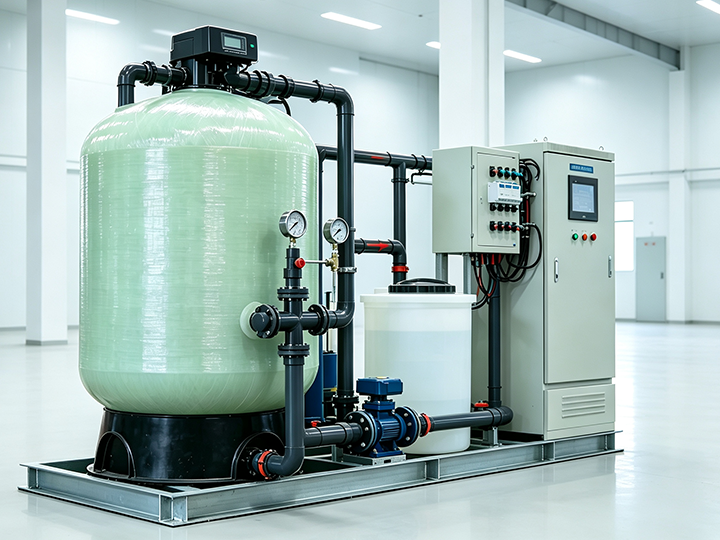
Ion exchange resin technology is a water treatment technology that uses the exchangeable ions on the resin to exchange with the charged ions in the water. The resin is a polymer skeleton with a three-dimensional network structure, which absorbs water and swells to form a swellable polymer phase, and ions can diffuse into the internal network of the resin for exchange.. According to the functional groups, it can be divided into strong acid/weak acid cation resin, strong base/weak base anion resin; according to the pore structure, it can be divided into gel type and macroporous type. The principle is that the exchangeable ions on the functional groups of the resin are selectively exchanged with the same charge ions in the solution, and the exchange capacity is restored with acid-base regeneration solution after the exchange is saturated to realize recycling.
Process characteristics
Strong selectivity: the resin has different affinity for different ion exchange, which can be targeted to remove specific pollutants (such as heavy metalsCu²⁺、Ni²⁺、Cr⁶⁺, nitrate, phosphate, etc.), suitable for valuable metal recovery and deep purification.
High processing accuracy: effluent ion concentration can be reducedmg/LEvenμg/LIt is often used for deep desalination, softening and trace pollutant removal.
Renewable cycle: the resin can be used repeatedly hundreds to thousands of times after acid and alkali regeneration, the operation cycle is long, and the cost of consumables is controllable.
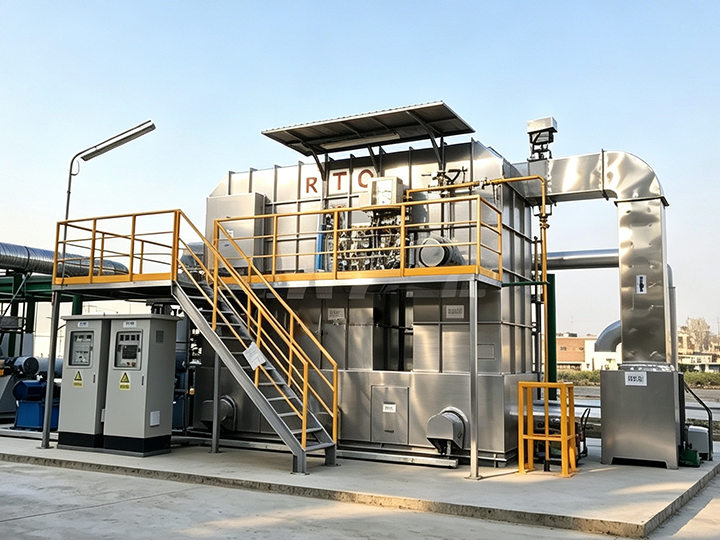
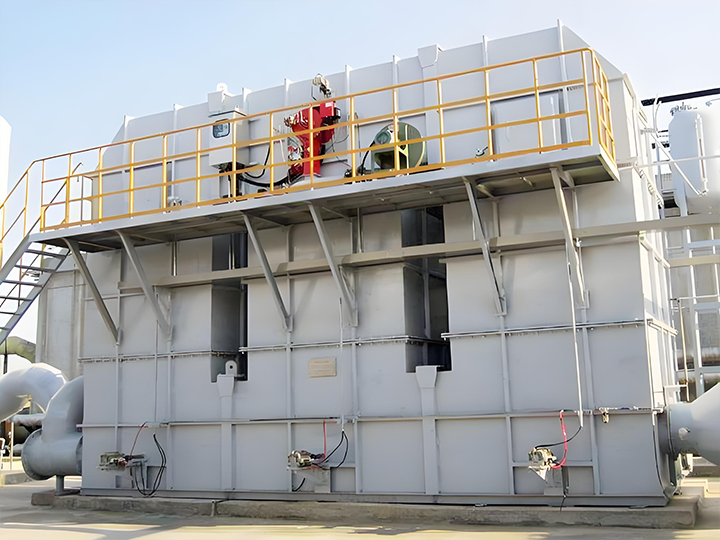
RTO(Regenerative Thermal Oxidizer,Regenerative Thermal Oxidizer) is to deal with volatile organic compounds (VOCs) Mainstream high-efficiency thermal oxidation technology for exhaust gas.
TechnologyPrinciple
The organic waste gas enters the heat storage chamber through the induced draft fan, is preheated to close to the oxidation temperature by the honeycomb ceramic heat storage body, and then enters the combustion chamber.760~850℃Stay at high temperature≥0.75s,VOCsIt is completely oxidized and decomposedCO₂andH₂O; The purified high-temperature gas flows through another heat storage chamber to transfer heat to the ceramic body for low-temperature discharge after storage. The system uses a switching valve (or rotary valve) to60~120sAlternate switching of airflow direction for cycles to make each regenerator cycle"endothermic—heat release—Cleaning"ProgramTo achieve efficient heat recovery and continuous operation. The three-room RTO is equipped with an independent purge chamber to reduce the escape of residual exhaust gas, and the VOC purification efficiency can reach more than 99%.
Process characteristics
The heat recovery efficiency is extremely high: the heat recovery rate is ≥ 95%; When the calorific value of the exhaust gas reaches the self-sustaining condition (typical concentration is about 2 g/m), auxiliary fuel can be used to maintain combustion, and the energy consumption advantage is significant in the mainstream thermal combustion process.
High purification efficiency: three-chamber RTO VOCs removal rate> 99%, meeting the most stringent emission standards.
Strong adaptability to working conditions: it can handle organic waste gas with large air volume, medium and low concentration and large composition fluctuation, and the flow elasticity is nominal flow rate.20%~120%; No catalyst is needed and there is no catalyst poisoning problem.
Stable and reliable operation: modular design, high degree of automation, less maintenance workload, and long equipment service life.
Technical principle
The technique is to deal“Large air volume, low concentration”Organic waste gas (VOCs) of the mainstream process. Its core is divided into two stages:
Adsorption concentration: the use of activated carbon or zeolite wheel huge specific surface area, the exhaust gasVOCsMolecular adsorption interception, so that the emission of gas standards, while the enrichment of pollutants, volume reduction10-20Times.
Desorption regeneration and combustion: when the adsorbent is saturated, the use of hot air for desorption, to obtain a high concentration of exhaust gas. Subsequently into the catalytic combustion chamber (CO) or regenerative catalytic combustion chamber (RCO), under the action of catalysts (such as platinum and palladium), at lower temperatures (250-400℃Flameless combustion occurs under), which is decomposedCO₂andH₂OThe heat released can be recycled to the desorption link to achieve energy self-balance.
Process characteristics
High purification efficiency: comprehensive removal rate is usually>95%Suitable for spraying, printing, electronics and other industries.
Low operating costs: compared to direct combustion (TO), catalytic combustion has a low light-off temperature, and fuel consumption is greatly reduced through heat recovery.
Good safety: zeolite runner is non-flammable and safer than traditional activated carbon adsorption; the system is equippedLELMonitor with flame arrester to prevent flashback.
Limitations: high requirements for air intake pretreatment, the need to remove dust, paint mist and high boiling point substances, to prevent the adsorption channel blockage or poisoning failure.
Technical principle
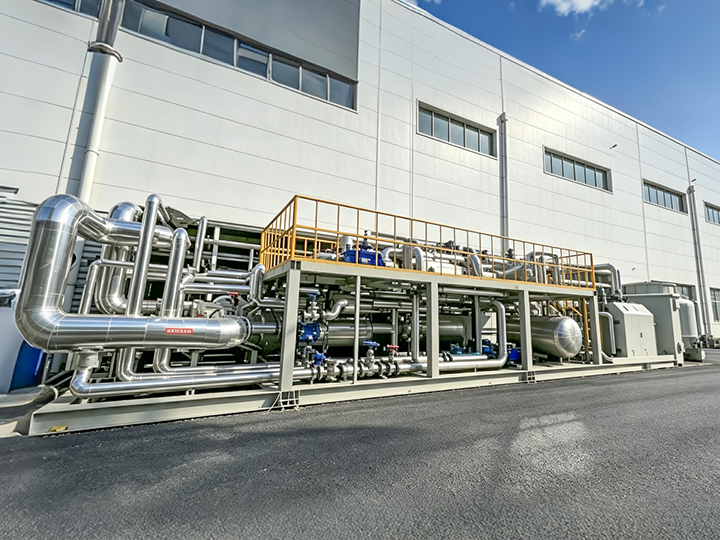
The technology uses the difference in saturated vapor pressure of substances at different temperatures to directly condense gaseous organic solvents into liquid for recovery through multi-stage deep cooling. Its core is divided into two stages:
Pretreatment and dehydration: particulate matter removal and deep dehumidification are required before the exhaust gas enters the system (dew point usually needs to be reduced-30℃below), to prevent the equipment from being blocked by ice in the subsequent low temperature section.
Cascade condensation recovery: using“Pre-cooling+deep cold”The grading design. First pass.0~5℃Pre-cooling recovery of high boiling point components and cold capacity; re-entry-30℃to-165℃The cryogenic section (commonly used liquid nitrogen or cascade refrigeration) makes the vast majority ofVOCsTo achieve supersaturated state and liquefied precipitation, gas-liquid separation.
Process characteristics
High resource value: belongs to the pure physical recovery process, does not destroy the molecular structure of the solvent. The recovered organic solvent purity is usually≥95%, which can be directly recycled to production or sale, and for high-value solvents (e. g., dichloromethane, esters), the payback period is usually8-18A month.
Good safety: low temperature conditions throughout the process, no open flame, no high temperature oxidation reaction, can greatly reduce the risk of flammable and explosive high concentration chemical waste gas, suitable for high concentration organic solvent waste gas treatment.
Technical principle
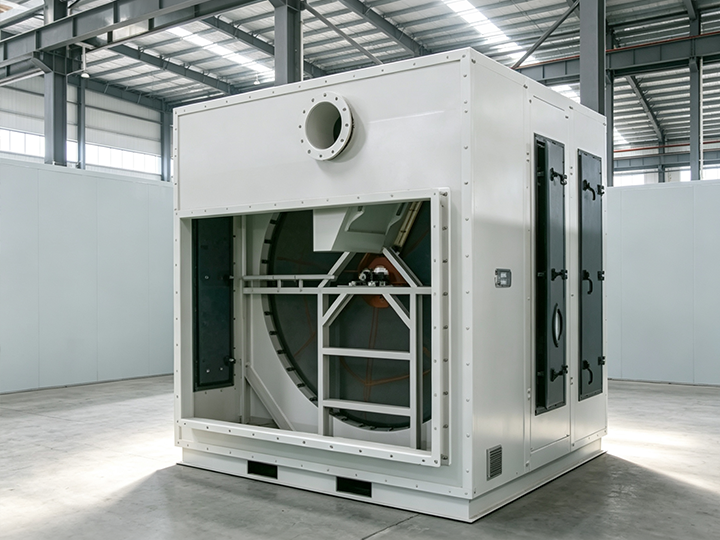
The technology is to treat large air volume, low concentration organic waste gas (VOCs), the core function of the mainstream process is to concentrate the exhaust gas, thereby reducing the size and operating costs of the subsequent treatment equipment. Its core is divided into three stages:
Adsorption zone: includingVOCsThe zeolite molecular sieve is selectively adsorbed by virtue of its high specific surface area and regular microporous structure.VOCsMolecules, purified gas emission standards. Wheel per hour1-6The speed of the turn is slow rotation.
Desorption zone: the area of zeolite saturated by adsorption rotates to the desorption zone and passes into180-220℃small strands of hot gas (hot air or inert gas), so thatVOCsThe molecules desorb from the zeolite channels to form a concentrated gas with high concentration and low air volume, which is then transported to the back-end processing equipment (e. g.RTO、RCO、COetc.) for decomposition.
Cooling zone: The desorbed zeolite loses part of its adsorption activity due to high temperature, and then enters the cooling zone to cool down to normal temperature fresh air or treated low temperature gas.40-60℃After recovering the adsorption capacity, it is transferred to the adsorption zone again for recycling.
Process characteristics
EfficientConcentration: The comprehensive removal rate is usually> 90%, suitable for spraying, printing, electronics and other industries.
Good safety: zeolite substrate itself is not combustible, compared with activated carbon adsorption safety is higher; the system is equipped with LEL combustible gas monitoring and flame arrester to prevent backfire risk.
Technical principle
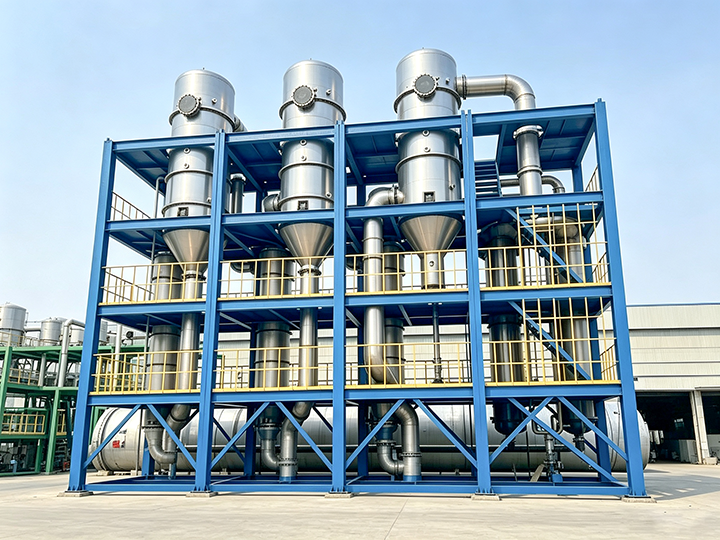
This technology is the mainstream process of concentration and crystallization of industrial high-salt wastewater and heat-sensitive materials, and its core function is to achieve energy saving and consumption reduction through thermal energy cascade utilization. Its core is divided into three stages:
First-effect evaporation: raw steam is introduced into the first-effect heating chamber to heat the material to make it boil to produce secondary steam, which is used as the heat source of the second effect, and the material is initially concentrated at this stage.
Two-effect evaporation: The secondary steam generated by the first effect enters the second-effect heating chamber, and releases latent heat under lower pressure (negative pressure) to further concentrate the material, and at the same time generates new secondary steam for the third effect.
Three-effect evaporation and condensation: two-effect secondary steam enters the third effect, and at a higher vacuum (-0.06~-0.09MPa), the final secondary steam is condensed into liquid water through the condenser and discharged, and the concentrated liquid or crystalline salt is discharged from the bottom.
Process characteristics
Energy saving and high efficiency: steam consumption is about0.4~0.5ton/tons of water, energy saving compared to single-effect evaporation60%-70%, thermal efficiency up85%Above.
Low temperature protection: the final evaporation temperature can be as low40-60℃Effectively protect the active ingredients and flavors of heat-sensitive materials (such as Chinese herbal extracts and fruit juices).
Strong adaptability: it can handle high salt, high COD, high viscosity, easy crystallization and corrosive feed liquid, equipped with forced circulation pump, demister and 316L/titanium and other corrosion-resistant materials to prevent scaling and corrosion.
Technical principle
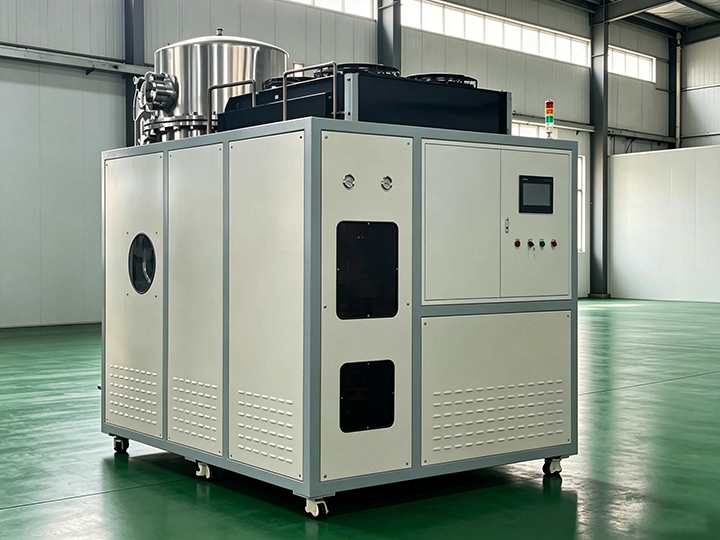
The technology is the use of vacuum negative pressure to reduce the boiling point of liquid, in30~70℃The core function of the process of evaporative concentration of wastewater at low temperatures is through heat pumps orMVRTechnology to recover heat energy, to achieve low energy consumption operation. Its core is divided into three stages:
Vacuum construction and heating: the pressure in the evaporation tank is pumped by the vacuum pump-92kPato-98kPa, so that the boiling point of water dropped30-70℃; At the same time, the compressor is used to compress the refrigerant or secondary steam to generate heat, and the waste water is heated by the heat exchanger.
evaporation and gas-liquidSeparation: the wastewater boils and vaporizes at low temperature, and the generated secondary steam enters the condenser after removing liquid droplets through the demister, and condenses into the standard reuse water; the concentrated liquid sinks and is discharged due to the increase of density.
Thermal energy recycling: heat pump models rely on refrigerant phase change to recover low-grade heat; MVR models reuse secondary steam boost heating cycles through compressors, and the system's thermal energy recovery efficiency can reach more than 95% without an external steam source.
Process characteristics
Energy saving and consumption reduction: water and electricity consumption per ton is about30-70kWh, the energy consumption is only the traditional high temperature evaporator30%-60%It is particularly suitable for plants without steam sources.
It is not easy to scale: low temperature operation reduces salt crystallization and organic matter coking, and cooperates with automatic cleaning function to extend equipment life.
Widely applicable: suitable for electroplating wastewater, cutting fluid, landfill leachate, lithium waste liquid and other high saltCODwastewater, and the concentration of heat-sensitive materials in the food and pharmaceutical industry.